To view all posts select ‘All’ from the menu above
Osaka is a large port city and commercial center on the Japanese island of Honshu. It’s known for its modern architecture, nightlife and hearty street food. The 16th-century shogunate Osaka Castle, which has undergone several restorations, is its main historical landmark. It’s surrounded by a moat and park with plum, peach and cherry-blossom trees. Sumiyoshi-taisha is among Japan’s oldest Shinto shrines.
This page will show only posts for Hiroshima & Miyajima.
To view all posts select ‘All’ from the menu above
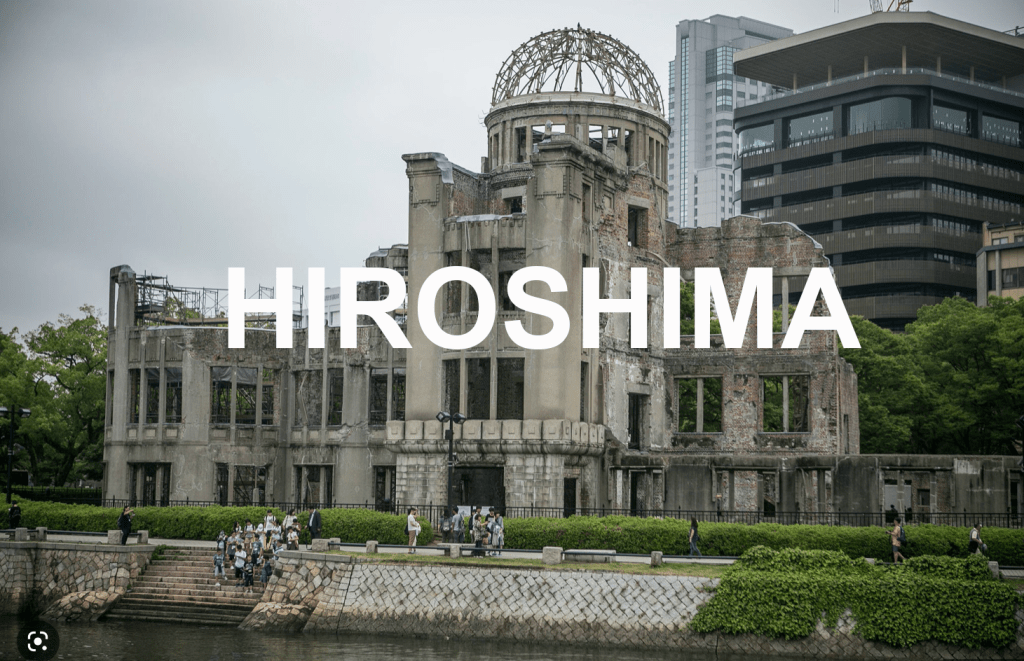
Hiroshima
Hiroshima, a modern city on Japan’s Honshu Island, was largely destroyed by an atomic bomb during World War II. Today, Hiroshima Peace Memorial Park commemorates the 1945 event. In the park are the ruins of Genbaku Dome, one of the few buildings that was left standing near ground zero. Other prominent sites include Shukkei-en, a formal Japanese garden, and Hiroshima Castle, a fortress surrounded by a moat and a park. ― Google
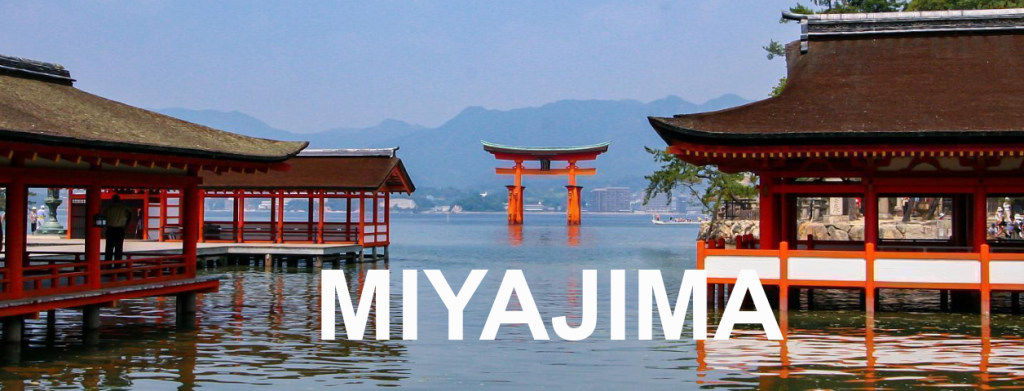
Tsukushima, also known as Miyajima, is a small island in Hiroshima Bay, western Japan. It is known for its forests and ancient temples. Just offshore, the giant, orange Great Torii Gate is partially submerged at high tide. It marks the entrance to the Itsukushima Shrine, which was first built in the 12th century. Nearby, the Museum of History and Folklore has cultural artifacts in a 19th-century merchant’s home.
To view all posts select ‘All’ from the menu above
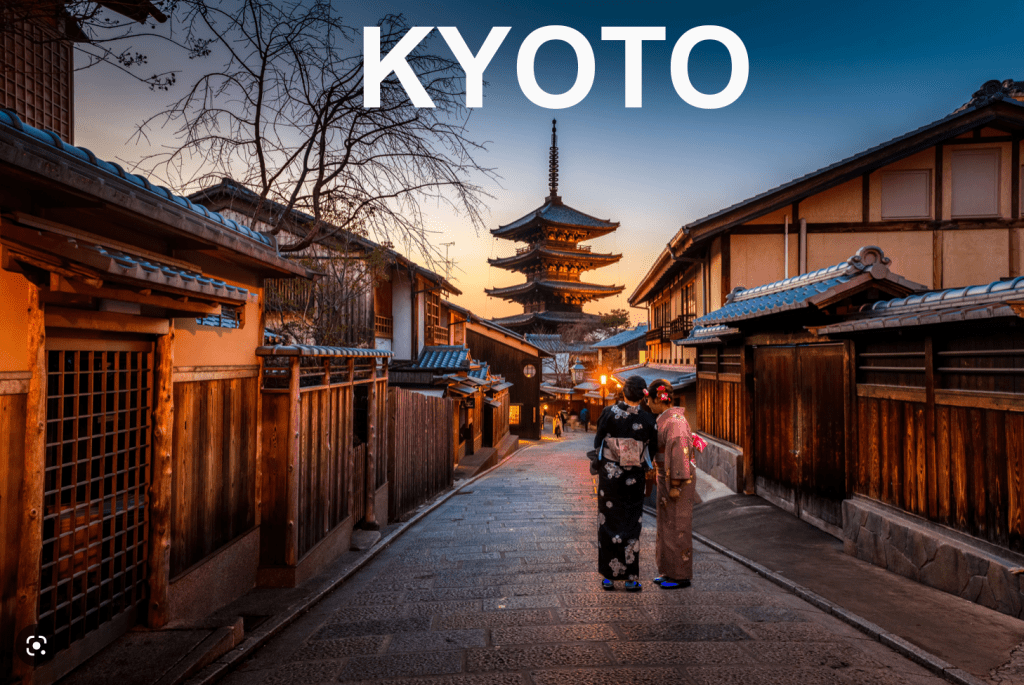
Kyoto, once the capital of Japan, is a city on the island of Honshu. It’s famous for its numerous classical Buddhist temples, as well as gardens, imperial palaces, Shinto shrines and traditional wooden houses. It’s also known for formal traditions such as kaiseki dining, consisting of multiple courses of precise dishes, and geisha, female entertainers often found in the Gion district.
To view all posts select ‘All’ from the menu above
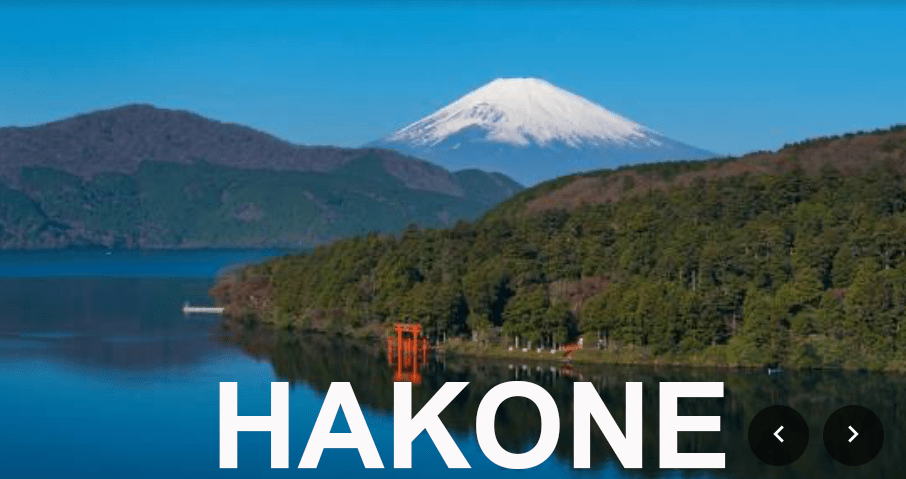
Hakone, in Japan’s Fuji-Hakone-Izu National Park west of Tokyo, is a mountainous town known for its hot springs resorts (onsen) and views of the iconic volcano Mount Fuji. It also encompasses Hakone Shrine, a Shinto shrine with a red “torii” gate overlooking Lake Ashi, which can be toured by boat, as well as the boiling sulphur springs of the Owakudani Valley.
To view all posts select ‘All’ from the menu above
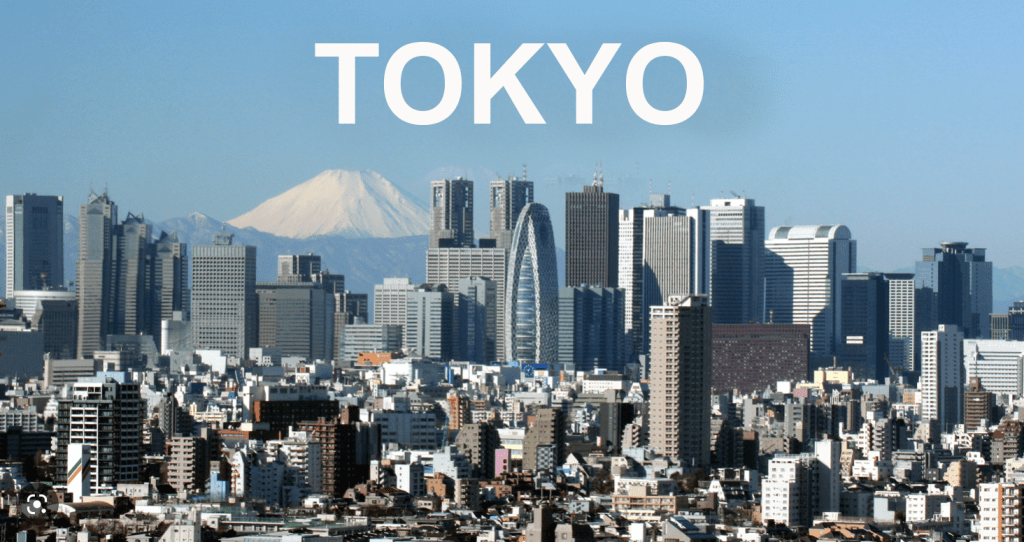
Tokyo, Japan’s busy capital, mixes the ultramodern and the traditional, from neon-lit skyscrapers to historic temples. The opulent Meiji Shinto Shrine is known for its towering gate and surrounding woods. The Imperial Palace sits amid large public gardens. The city’s many museums offer exhibits ranging from classical art (in the Tokyo National Museum) to a reconstructed kabuki theater (in the Edo-Tokyo Museum).

 Andrew and Brigitte’s Japanese Adventure